
CasinoLuck is an independent research and review resource for online casino games, explaining how the games work, who makes them, and what separates a good table from a bad one. We do not host games, we do not take deposits, and we are not owned by any casino operator.
 Written by: Simon Copperstone, Content Writer
 Fact-checked by: Ernest Bowes, Content Manager
Affiliate disclosure. CasinoLuck is reader-supported. We may earn a commission when you sign up through our links; it never changes our ratings. How we make money.
Changelog: 10 August 2026, update labeling and verification transparency added; 6 August 2026, last reviewed.
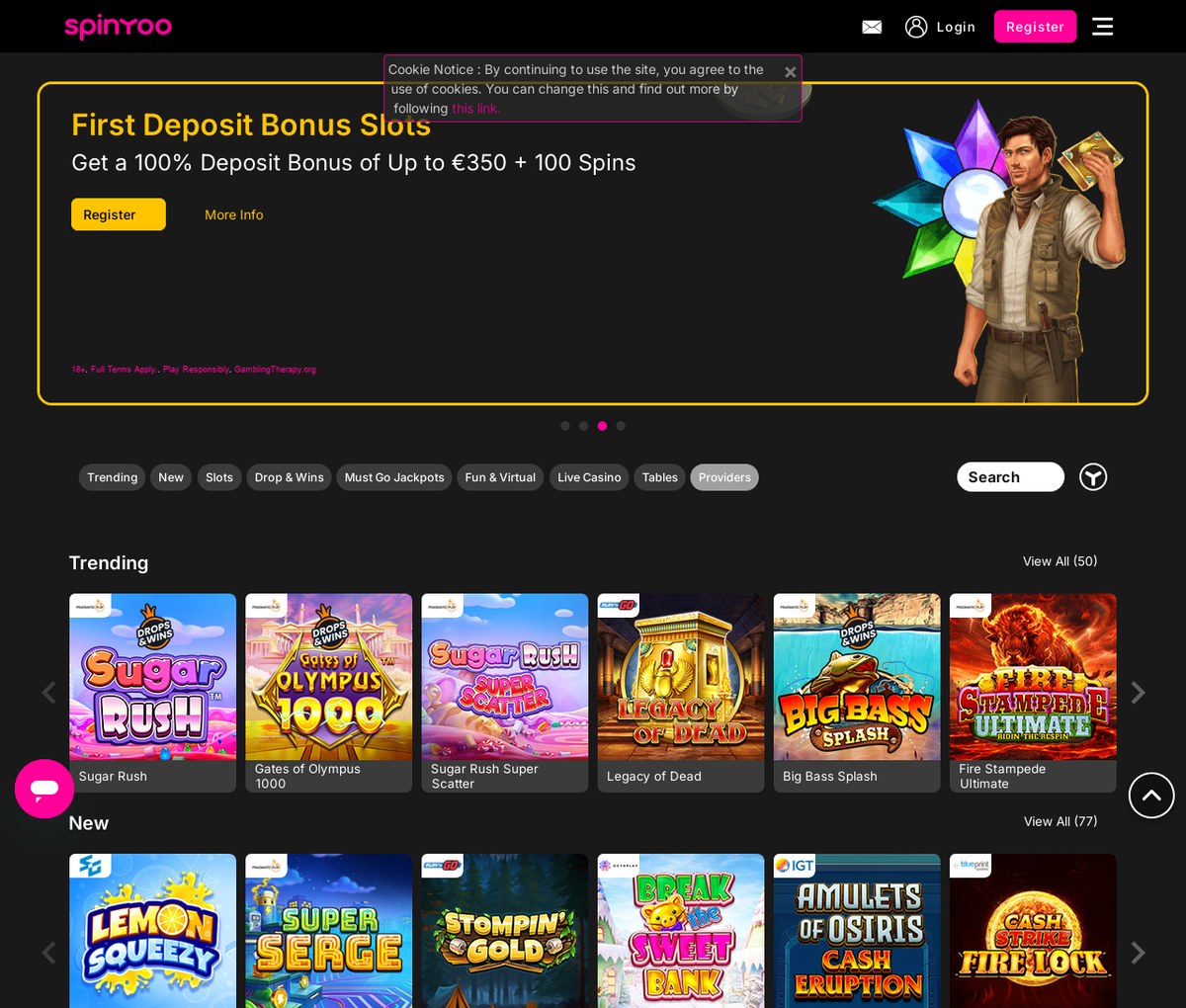
- 5 brands ranked on this toplist (LuckyMate, DaznBet, Pricedup.bet, BetMaze, SpinYoo), captured 11 Aug 2026.
- A second toplist on this page ranks 13 sportsbook brands under Best Sports Betting Sites for August 2026.
- The page states CasinoLuck is operated by Sharp Connection Ltd, Malta, and that operators cannot pay for placement.
- Game reviews on this page follow a published six-layer framework covering rules, variants, studios, stakes, mobile play and interface.
- This page carries a printed verification trail: last verified and reviewed 6 Aug 2026, last updated 10 Aug 2026.
Top Rated Online Casinos for August 2026


Sign Up and Receive
+ 50 Bonus Spins
18+ | New players only | Wagering, banking, T&C apply. | www.gambleaware.org

Enjoy a Welcome Bonus
of 20 Spins
#AD 18+ | New players only | Wagering, banking, T&C apply. | www.gambleaware.org

Sign up and enjoy
Pricedup.bet offers!
#AD 18+ | New players only | Wagering, banking, T&C apply. | www.gambleaware.org

Receive up to £50
+ 20 Bonus Spins
#AD 18+ | New players only | Wagering, banking, T&C apply. | www.gambleaware.org

Sign Up and Receive
+ 100 Bonus Spins
#AD 18+ | New players only | Wagering, banking, T&C apply. | www.gambleaware.org
Find casinos in your region


Best Sports Betting Sites for August 2026

Receive up to £20
in Free Bets
18+ | New customers only. | Min. deposit: £20. Min. wager £20 at min odds 1/1 (2.00). Max free bet amount £20. | Free bet is not valid for horse racing. | Free bet token credited within 24 hours, valid 14 days. | T&C apply. | www.gambleaware.org

Deposit & Bet £10
Get £30 Free Bet
18+ | New Players Only. | T&C apply. | www.gambleaware.org

Bet on £10 Qualifying Markets
+ Get 50 Free Spins
#AD 18+ | New customers | More Wagering, banking, Terms & conditions apply | Play Responsibly | www.gambleaware.org

Bet £10
Get £30
#AD 18+ | New players only | T&C apply. | www.gambleaware.org

Get up to £10
in Free Bets
18+ | New Players Only. Free bet - one-time stake of £40, min odds 1.5, stake not returned. | www.gambleaware.org

Receive up to £30
in Free Bets
18+ | New customers on mobile only | £10 minimum bet | Play Responsibly | www.gambleaware.org

Bet £10
& Get £10
18+ | New Players Only | Gambling Can Be Addictive | www.gambleaware.org

Bet £10
& Get £30
18+ | New Players Only | Gambling Can Be Addictive | www.gambleaware.org

Get up to £30
in Free Bets
18+ | New Players Only | Gambling Can Be Addictive | www.gambleaware.org

Get up to £30
in Free Bets
18+ | New Players Only | Gambling Can Be Addictive | www.gambleaware.org

Bet £10
Get £50 In Free Bets
18+ | New Players Only | Gambling Can Be Addictive | www.gambleaware.org

Get up to £30
in Free Bets
18+ | New customers on mobile only | £10 minimum bet | Play Responsibly | www.gambleaware.org

Get up to £40
in Free Bets
18+ | New Players Only | Gambling Can Be Addictive | www.gambleaware.org
Find sports betting sites in your region
What You Will Find on CasinoLuck
Every page on the site is written around one question, how does this game actually work when you sit down to play it. That means real rules and real house edges, not marketing copy. Our guides walk through the maths, the variants you will come across at licensed casinos, the studios and providers behind each title, and the small details that most players miss until they have lost a few sessions to them.
We keep the tone plain and honest. There is no guaranteed winning system for any casino game, and we will not pretend otherwise. What we can do is help you understand what you are up against, pick games and variants that suit your bankroll and pace, and avoid the common traps that turn a casual session into a bad one. Treat every guide as a briefing before you sit at a table, not a pitch for a specific product.
Our Casino Game Guides
We cover the five game families that make up the bulk of every online casino lobby. Each guide is a full walkthrough of how the game works, the main variants, the studios behind it, and what to look for when you pick a table. The five families below cover roughly 95 percent of what a typical licensed lobby offers, and most players never need to stray outside them to find a game that fits.
Roulette
Roulette is the oldest and cleanest casino game in the lobby, and the one where the edge you face depends almost entirely on which wheel you sit at. European single-zero roulette carries a 2.70 percent house edge on every straight bet, French roulette drops that to roughly 1.35 percent on even-money bets through la partage and en prison rules, and American double-zero roulette pushes the edge to 5.26 percent. Our roulette guide explains the maths behind every bet type, how the wheel and ball physics actually play out in a session, and which variant to pick if you want the lowest edge your chips can find.
Blackjack
Blackjack is the table game with the lowest house edge in the lobby when you play it right, often sitting below 0.5 percent with full basic strategy and a friendly rule set. The catch is that rule variations matter more than most players realise. A 6 to 5 payout on blackjack instead of 3 to 2 adds over one percent to the edge on its own, and every dealer peek, soft-17 rule and double-after-split option shifts the maths. Our blackjack guide covers basic strategy, the common rule variations that change the edge, side bets worth avoiding, and what a real playing chart looks like at the table.
Slots
Slots make up more than 70 percent of most online lobbies and every last one is a random number generator dressed in a theme. RTP figures run from 88 percent at the stingy end up to 98 percent on the best-behaved titles, and volatility tells you whether those returns arrive in small steady hits or rare big ones. Megaways, cluster pays and fixed-payline formats all shift the feel of a session without changing the underlying maths. Our slots guide walks through the numbers behind random number generation, the major studios shaping the format, and the small choices that change your session outcomes.
Baccarat
Baccarat is often misread as complicated when the core bet choice is the simplest in the casino, three options with no decisions after the deal. Banker carries the lowest house edge at around 1.06 percent after the standard 5 percent commission, Player sits at 1.24 percent, and the Tie bet jumps to roughly 14 percent and should be avoided at any stake. Squeeze and speed variants change the pace rather than the maths. Our baccarat guide explains the three edges, commission rules, the major variants you will see in a live lobby, and why the game has such a loyal following at high stakes.
Live Dealer
Live dealer is not a game in itself but a delivery format, a real croupier running a real table in a broadcast studio over HD video. The maths and rules come from the underlying game so a live European roulette table still carries the same 2.70 percent edge as its RNG counterpart, and a live blackjack seat with 3 to 2 payouts and standard rules plays at the same basic-strategy edge. What changes is the pace, the feel, and the game show formats that only exist in live studios. Our live dealer guide covers how the streams are produced, the studios behind the tables, the live categories on offer, and what a good live table should feel like to join.
Key Terms Every Casino Player Should Know
Four terms shape almost every decision at an online casino, and understanding them changes how a lobby looks. You will see them repeated across our guides, game studio sheets, and regulator paperwork, and any review worth reading leans on them instead of marketing language.
House Edge
The house edge is the long-run percentage of every wager the casino keeps on average. A 1 percent edge means the casino expects to hold 1 unit for every 100 wagered over thousands of hands. The edge is baked into the rules of the game, not into any single session, so a short run can go any way but the long-run maths does not bend. Lower is better, and the range across the lobby is wide, from well under 0.5 percent on optimal blackjack to over 14 percent on sucker bets like the baccarat tie.
Return to Player (RTP)
RTP is the other side of the same coin, the theoretical long-run percentage of wagered money returned to players. A 96 percent RTP slot pairs with a 4 percent house edge. Licensed studios publish RTP per title and any serious operator lets you see the figure in the game info panel. A swing of even 1 percent between two similar slots compounds quickly once you factor in spins per hour, so RTP is one of the first numbers to check before you start a session.
Volatility
Volatility, sometimes called variance, describes how returns are distributed, not how much they average. A low-volatility slot or table game pays often in small amounts and sessions tend to drift in narrow bands. A high-volatility title pays rarely but in larger hits, and the same RTP can feel very different depending on which side of the variance curve a session falls. Matching volatility to bankroll matters more than most players realise, because a high-variance game on a short bankroll usually ends before the maths has time to show up.
Random Number Generator (RNG)
RNG is the software engine that decides every outcome on an online slot, virtual table game or shuffling component. A certified RNG produces independent, uniformly distributed results that cannot be predicted from previous spins, which is the technical underpinning of fairness testing at labs like eCOGRA, GLI and iTech Labs. RNG certification does not mean a game is beatable, it means the maths behaves as stated. Any licensed casino should be able to point you at the test reports for the games it hosts.
How to Pick a Casino Game
Picking the right game is not about finding a secret, it is about matching the game to the kind of session you actually want. Start with your bankroll, because the same 100-unit bankroll that lasts comfortably on low-volatility blackjack can evaporate in minutes on a high-variance slot. Then look at the pace, because an online slot fires 600 to 900 spins an hour while a live blackjack table runs 60 to 80 hands, and the maths of the house edge plays out faster the more bets you place per hour.
Decide whether you are chasing the lowest house edge or the entertainment, because the two rarely share a table, and pick accordingly rather than pretending they do. Use demo or free-play mode first on any title you have not played before, so the rules, bet structure and pace are familiar before real money is on the line. Finally, set deposit, loss and time limits before you sit, not after, because decisions made at the start of a session are cleaner than decisions made in the middle of one. No game choice removes the edge, but the right choice makes the hours you spend at the table look and feel like the ones you came for.
Common Casino Myths
A handful of myths travel around every casino lobby and most of them cost players money. The four below are the ones we see most often in search queries and at the tables, and none of them hold up once you look at the maths.
Past Spins Do Not Change Future Odds
This is the classic gambler’s fallacy. After ten reds in a row on a European roulette wheel, the probability that the next spin lands on red is still 18 out of 37, the same as it was on spin one. The wheel has no memory, the software has no memory, and streaks only look meaningful in hindsight. Chasing a colour or number because it is “due” is a fast way to overstay a session.
Hot and Cold Slots Are a Myth
Online slots run on certified RNGs that produce independent outcomes on every spin. A slot that has paid a big win five minutes ago is not “cold” and one that has been quiet for an hour is not “due”. The long-run RTP is a statistical average across millions of spins, not a meter that fills and empties during your session. Any session pattern you see in the short term is variance, not a signal.
Betting Systems Do Not Reduce the House Edge
Martingale, 1-3-2-6, d’Alembert, Paroli and every other named progression system changes the shape of your wins and losses, not the house edge. Doubling after a loss on even-money roulette simply trades many small wins for one catastrophic losing streak that eventually hits table limits or bankroll limits. The long-run expected value stays exactly what the rules of the game say it is, and no stake sequence bends that.
There Is No Secret Slot Method
The $20 method, the 5 spin rule and any viral tactic that claims to beat modern slots all fail the same test, an RNG does not care how many spins you have played or what you bet on the last one. Stake patterns, machine-switching and “warming up” routines have zero effect on the underlying maths. The only real levers a slot player has are RTP, volatility, session length and bet size.
How We Review Casino Games
Every review we publish sits on a six-layer framework, and the CasinoLuck team works through each layer before a guide goes live. We look at the rules and house edge of the game at typical licensed casinos, so the maths is nailed down before anything else. We cover the main variants a player will actually encounter at real lobbies, not obscure formats nobody offers. We identify the studios and providers behind the titles, because ownership and audit history matter. We note the stake range and side bets on offer, which determines who the game is for. We test the mobile and desktop experience, since pace and interface quality change how the game plays. And where it applies we judge the stream or interface quality, because a lagging live table or a clunky slot interface changes the session regardless of the underlying maths. We sit at real tables across devices, time how the games behave in a live session, and write up what we find rather than what a product sheet claims.
What a Good Online Casino Looks Like
We write about games rather than ranking operators, but our guides still describe what a trustworthy online casino should look like so you can judge any lobby on your own. A good online casino holds a valid licence in the jurisdiction where it accepts players, publishes its game RTP figures openly rather than hiding them, partners with recognised game studios that are independently audited by labs like eCOGRA or GLI, and offers a reasonable stake range so casual and high-stakes players can both find a table that suits them.
The same casino should have working responsible gambling controls inside the account area, honest bonus terms that spell out wagering requirements and game contributions in plain language, and a support team that answers questions about a specific table or payout in a useful amount of time. None of that guarantees a winning session, but it filters out the worst of the lobbies and tells you whether the site around the games is being run seriously.
Our Standards
Every page on CasinoLuck is produced against the same written standards: independent research, verified facts and plain language. The methodology pages below explain how the site is reviewed, edited and funded.
How We Rate
The six-layer framework used for every review: rules and house edge, variants, studios, stakes, mobile play and interface quality.
Read the methodologyEditorial Guidelines
The written standard for independence, accuracy and plain language. CasinoLuck does not accept payment to rank one operator above another.
Read the guidelinesFact-Checking Policy
Every guide is checked against licensed casino rules, published RTP figures and studio documentation before it goes live.
Read the policyHow We Make Money
A plain explanation of how the site is funded and why affiliate fees do not dictate coverage or rankings.
Read how we are fundedHow We Test
What CasinoLuck checks on every brand and what it does not check. CasinoLuck does not deposit real money and does not run funded withdrawal tests.
Read the testing methodData and Methodology
The datasets behind the ratings: the operator-network map, verified withdrawal terms and regulator-register checks.
Read the methodologyWhy Trust CasinoLuck
We are not a casino. We do not accept deposits, we do not take affiliate fees that dictate rankings, and we do not run any of the games we write about. Every guide on the site is written by players and reviewers who play these games on their own money, the goal is to give you the information you need to make your own call about where and how to play. Read more about who we are, our editorial guidelines, our fact-checking policy, our corrections policy, and how we make money.
Gambling laws vary by jurisdiction, and the licensed operators available in your country are a matter of local regulation. We do not recommend any specific operator by name, we cover the games themselves and leave the operator choice to you.
Latest from CasinoLuck
Play Responsibly
Gambling is entertainment and should be treated as such. Online casino games are restricted to players aged 18 or over, and gambling laws vary by jurisdiction, so check the rules where you live before you play. Set deposit, loss and time limits before a session, take breaks, and never chase losses. See our responsible gambling guide for self-exclusion options and helplines. Support resources by market:
| Market | Support service | Contact |
|---|---|---|
| United Kingdom | GamCare National Gambling Helpline | GamCare 0808 8020 133 (24/7, freephone). Self-exclusion via GAMSTOP. 18+. |
| Ireland | GamblingCare.ie | GamblingCare.ie 1800 936 725. |
| Ontario | ConnexOntario | ConnexOntario 1-866-531-2600. 19+. |
| Finland | Peluuri | Peluuri 0800 100 101. |
| Canada (Francais) | Jeu : aide et reference | Jeu : aide et reference 1-800-461-0140. 18+. |
| Alberta | GameSense Info Line | GameSense 1-833-447-7523. 18+. |
Frequently Asked Questions About CasinoLuck
What is CasinoLuck?
CasinoLuck is an independent research and review resource for online casino games. We explain how the games work, the studios behind them, and what to look for at the table, so you can walk into any licensed lobby with a clear picture of what you are playing.
Is CasinoLuck an online casino?
No. CasinoLuck does not host casino games, does not accept deposits, and is not owned by any casino operator. It is an editorial and review site only, built to help players understand the games they might play on licensed operator sites.
How does CasinoLuck choose which games to cover?
We start with the game families that make up the bulk of a licensed casino lobby, roulette, blackjack, slots, baccarat and live dealer. From there we add the variants and studios that a regular online casino player will actually encounter, rather than obscure titles that almost nobody plays.
Who writes the guides on CasinoLuck?
Guides are written by players and reviewers who play these games on their own money and have followed the online casino industry for years. Every guide is fact-checked against licensed casino rules, published RTP figures and studio documentation before it goes live.
Does CasinoLuck accept money from casinos?
We do not accept payment to rank one operator above another. Our guides cover the games themselves rather than operator league tables, so there is no paid-placement incentive in how the information is written or ordered.
How often are the guides updated?
Guides are reviewed whenever a studio releases a meaningful rules change, a new variant, or a notable new title. Core pages are checked at least once a year, and we update anything that has gone out of date, such as house edges, side bet payouts or studio ownership.
Which casino games do the CasinoLuck guides cover?
The main guides cover roulette, blackjack, slots, baccarat and live dealer, with dedicated pages for each. Within those we cover the major variants of every game, the studios producing them, and the house edge, pace and session feel of each format.
Can I play casino games directly on CasinoLuck?
No. There are no live casino tables, no slot games and no payment options on CasinoLuck. We are a guide and review resource only, you play on licensed operator sites of your own choosing.
Are the games described on CasinoLuck safe to play?
The game formats we describe are the standard studio-produced versions used at licensed online casinos worldwide, and they are independently tested by labs such as eCOGRA, GLI and iTech Labs. Safety depends on the operator you play at, so always check that the casino itself holds a valid licence in your jurisdiction.
Does CasinoLuck recommend any specific casino operator?
No. Gambling laws vary by jurisdiction and the licensed operators available in your country are a matter of local regulation. We cover the games themselves and leave the operator choice to you.
 Ontario
 Alberta
